
- Calls answered 24/7
- Leaks, clogs, water heaters, sewer lines
- Serving Hampton and nearby
Businesses and Buildings Served Around Hampton
- Offices: Office managers call about running restroom flushometers, leaking sinks and a water heater that leaves staff without hot water.
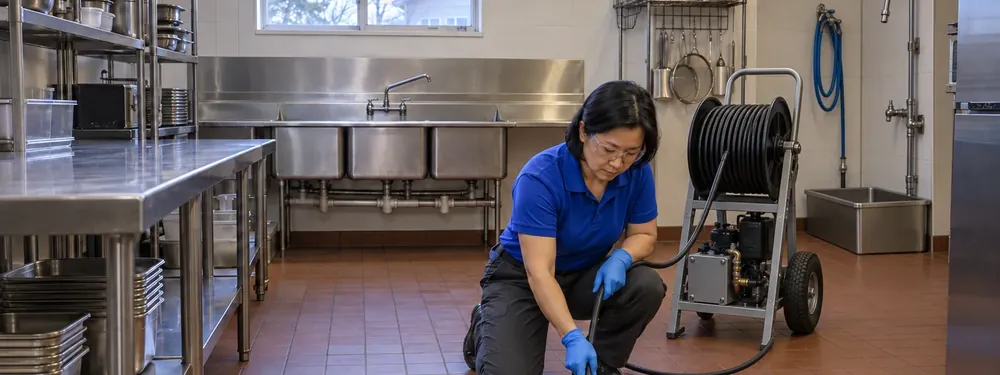
- Restaurants and bars: Kitchen calls often involve slow floor drains, grease buildup and wastewater backing up along the line from the dish area.
- Retail stores: Store managers describe a blocked customer restroom, trouble with a small water heater or drainage problems reaching the main line.
- Warehouses and storage: Calls cover restroom leaks and damaged supply lines in unheated areas, with the affected room identified during the conversation.
- Apartment buildings and property managers: Managers report stacked drains affecting several units, main line backups and shared water heaters that no longer meet demand.
- Schools and churches: Building contacts call about restrooms that struggle during periods of concentrated use, including running valves and repeated blockages.
- Medical offices: Several sinks and restrooms create calls about leaks, poor drainage and interruptions to the water needed for daily cleaning.
- Hotels and motels: Managers explain which rooms lack hot water and whether the trouble affects one heater or several serving the building.
Common Commercial Plumbing Problems in Hampton
- Kitchen grease and slow drains: Water collects at a floor drain or returns near the dish sink; your technician checks the affected line and whether grease trap cleaning is part of the job.
- Main line backups: Several fixtures overflow together or wastewater rises from the lowest drain; your technician examines where the blockage affects the building before selecting commercial drain cleaning.
- Water heater failures: Hand sinks lose hot water or a tank leaks; your technician examines the connections, heater condition and demand across the connected fixtures.
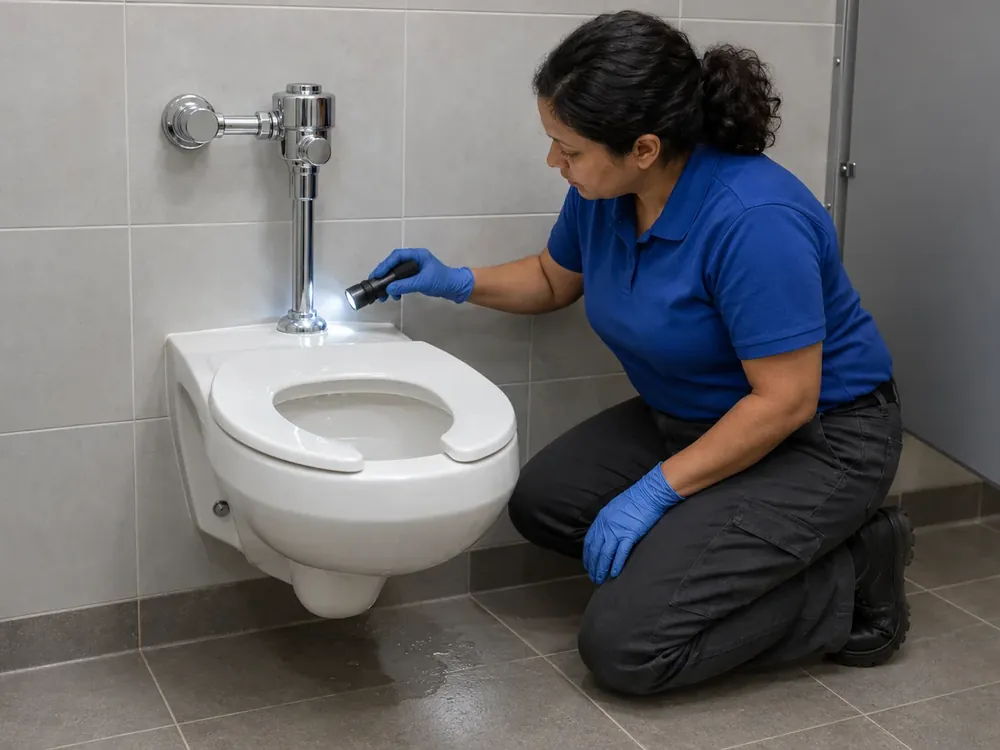
- Restroom valves and fixtures: A flushometer runs continuously, a toilet flushes weakly or a urinal backs up; your technician checks the valve and fixture drainage.
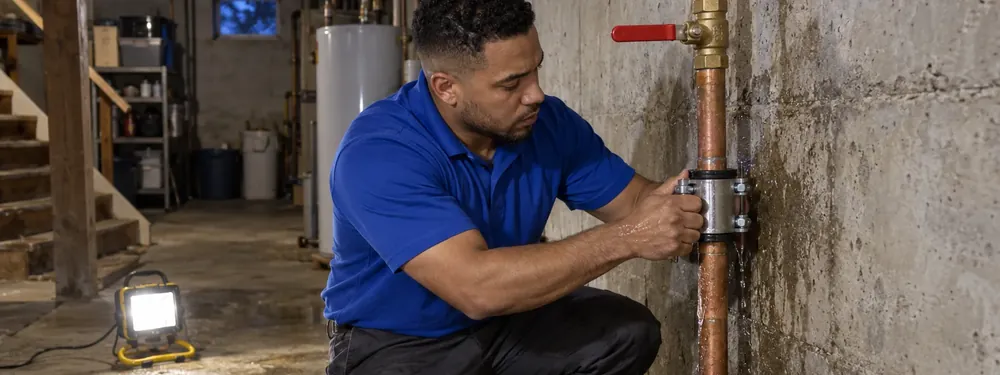
- Burst pipes in unused areas: If your building is closed for the season, report any newly discovered leak; cold-exposed pipes can freeze and burst, and your technician checks the damaged section and nearby lines.
- Backflow assemblies: These assemblies help prevent building water from flowing back into the supply; your commercial plumber examines leaks and discusses backflow testing or repair and explains the proposed work.
Keeping Your Building Running During Plumbing Repairs
| Option | When it fits | What it involves |
|---|---|---|
| Isolate and keep running | One fixture or line is affected | Your technician isolates that section and checks which remaining fixtures retain usable water and drainage. |
| Repair while open | The problem is small and contained | Staff keep the work area clear while your technician completes the agreed repair. |
| Work outside opening hours | Water or a kitchen needs to be off | You discuss access and operating hours with your technician and arrange the interruption around building use. |
| Temporary repair, then full repair | A safe temporary fix suits the damage | Your technician stops the leak, explains the temporary repair and plans parts and further work. |
| Planned shutdown | A larger heater or main line needs work | The owner or manager coordinates affected rooms, tenant notices and access for the agreed shutdown. |
Your technician examines the building on site and decides with the owner or manager which option fits the plumbing condition and daily operations.
What Happens When Your Business Calls
- Describe the disruption. First, the person answering asks what kind of building you manage, which fixtures leak or back up, when the problem started, whether the water is off and whether you're open.
- Inspect the building. Next, your technician takes it from there, visits the affected area and checks the plumbing alongside the access and operating needs you describe.
- Agree on the work. Then, your technician explains the repair scope, the price and any necessary interruption before work begins.
- Finish and keep records. After that, your technician completes the agreed repair and checks the result; the owner or property manager keeps the written work description and receipts.
Plumbing Records for Owners and Property Managers
Keep a dated record of the plumbing problem and the completed work so the next building contact knows what happened.
- Photos: Retain pictures of the affected area before and after the repair, taken from a safe location.
- Written description: Keep the agreed scope and the description of work completed.
- Recorded results: Save any readings or test results your technician supplies.
- Receipts: File receipts with the relevant building and unit records.
- Contact log: Note the dates, affected fixtures or units and which owner, tenant or manager received an update.
Photos, written descriptions and receipts also provide documentation for insurance.
What Affects Commercial Plumbing Costs in Hampton
Building layout, equipment and the interruption needed for the repair affect the cost.
- Building size: More fixtures, units or connected rooms change the scope.
- Access: Ceilings, pipe chases, mechanical rooms and kitchen cleanliness affect how work proceeds.
- Work hours: Nights, weekends and work after closing affect scheduling and labor.
- Equipment: Large or multiple heaters, grease interceptors and backflow assemblies require different work.
- Line condition: Camera inspection or jetting on long drains adds to the job.
- Parts: Replacement components and their availability affect the repair plan.
Your technician reviews the proposed work and its price with you before starting the repair; the plumbing cost page explains additional factors.
Why Businesses Choose Hampton NH Plumbers
- Calls answered 24/7: Owners and managers reach the phone line when a plumbing problem interrupts building use.
- A clear starting point: One call begins the conversation about the affected fixtures, business operations and the technician's visit.
- Work explained first: You hear the proposed repair scope and price before work starts in the building.
- Useful records: Written descriptions and receipts give owners and managers something concrete to file after the repair.
- Area coverage: Commercial calls include Hampton, the Seacoast and nearby communities in Massachusetts and Maine.
Safety Steps While Your Business Waits for Help
Call now about the plumbing problem, and protect people from the affected area while help is arranged.
- Leaking water: If safely reachable, close the building's main water valve or the affected fixture's valve.
- Wet floors: Keep staff and customers off slippery walking areas. Keep them away from outlets, cords and equipment near standing water.
- Drain backups: Stop using sinks, toilets and drains that are backing up.
- Sewage exposure: Keep people away from sewage. Wash hands with soap and water after contact.
- Food operations: With a sewage backup or no hot water, contact your health inspector and follow the applicable food code's emergency directions.
- Gas odor: Everyone leaves the building immediately and calls 911 and the gas utility from a safe location outside.
Related Plumbing Help for Homes
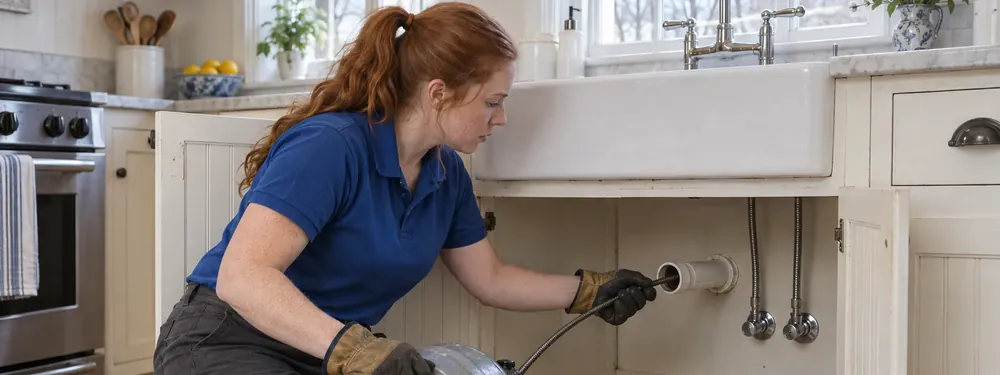
The same phone line and local professionals also handle household leaks, clogs and water heater problems; the cards below explain those services.
Areas We Serve Around Hampton
Plumbing providers in our network take commercial calls from business owners, landlords and property managers in Hampton, across the Seacoast and in nearby Massachusetts and Maine communities.
Commercial Plumbing Questions From Hampton Businesses
Does the same phone line handle commercial plumbing near me and home repairs?
Yes, the same line takes calls about business buildings and household plumbing. First, explain whether you're calling for an office, restaurant, apartment building or home, then describe the fixtures involved. The conversation focuses on the plumbing problem and how the building operates, so your technician approaches the visit with those details.
Can my business stay open during plumbing repairs?
Your business may stay open when the affected area is safely isolated and essential facilities remain usable. During the call, explain which rooms or fixtures the business depends on. Your technician examines the problem on site, then discusses a contained repair, partial interruption or planned shutdown with you before the work starts.
What should a manager do first when a pipe leaks or a drain backs up?
Call about the leak or backup right away and keep people clear of the affected area. During the conversation, describe where water appears, whether several fixtures are involved and whether the water is already off. Share those observations from a safe place; your technician assesses the source and explains the repair rather than asking staff to dismantle plumbing.
Who calls about plumbing in a building with several tenants?
The owner, property manager or tenant calls according to the building's arrangements. Explain your role, the affected unit or common area and who handles access and work approval. Next, your technician discusses the problem with the designated contact, including any shared fixtures or water interruption affecting other occupants.
What records should the owner or property manager keep?
Keep the written work description, receipts and safely taken photos showing the problem and completed repair. Add any readings or test results your technician records, plus the date and affected units or fixtures. After the job, store the documents together so another manager sees what was repaired and which building contacts received an update.
Can I call a commercial plumber near me about work after closing?
Yes, call now to discuss work outside your business's opening hours. Explain the hours, access arrangements and whether shutting off water affects kitchens, restrooms or tenants. Your technician reviews the job and discusses scheduling with the owner or manager; the agreed scope and price account for the work hours before repairs begin.
Business owners, landlords and property managers: call now about your building's leak, blocked drain or hot water problem.
Call now, 24/7(603) 257-2663